
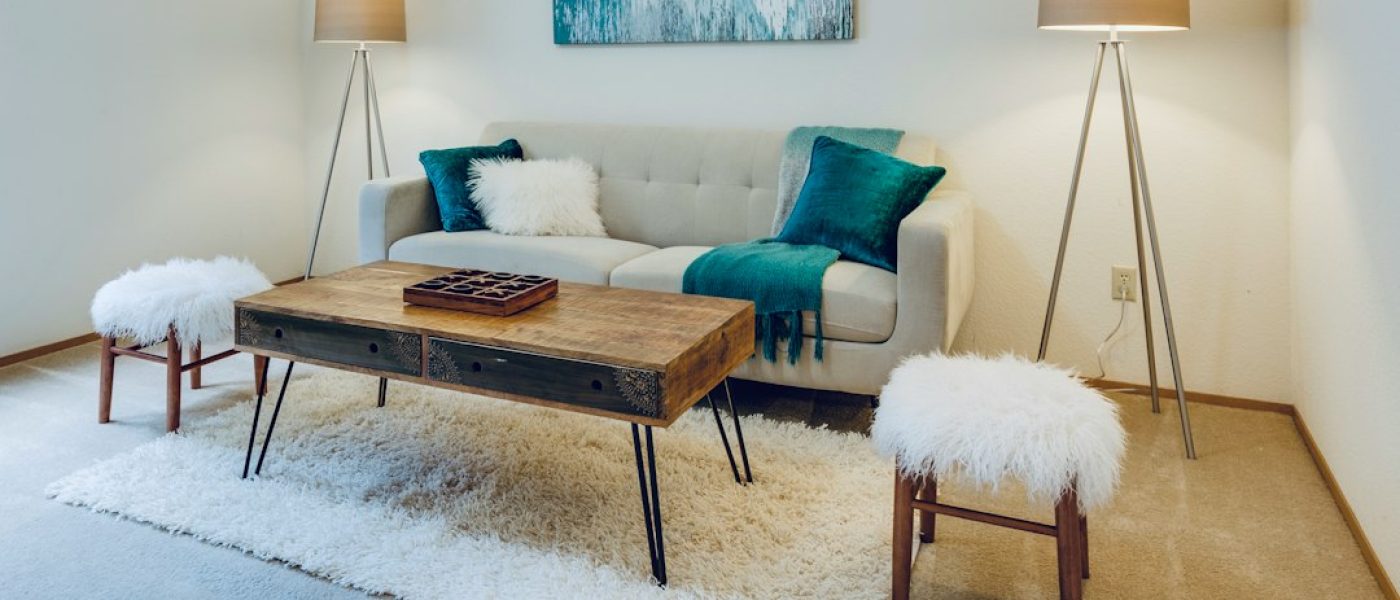
Choosing the right carpet for your home can be a daunting task, especially with the myriad of options available today. At textilevisions.com, we understand that a carpet is not just a floor covering; it’s a vital element that can enhance the aesthetic appeal of your space. This guide will walk you through the essential factors to consider when selecting carpets, ensuring that you make an informed decision that complements your home’s style and functionality.
Understanding Carpet Types
Before diving into the selection process, it’s crucial to familiarize yourself with the different types of carpets available. Broadly, carpets can be categorized into two main types: loop pile and cut pile. Loop pile carpets are made by looping the yarn, creating a durable surface ideal for high-traffic areas, while cut pile carpets offer a softer feel and are perfect for bedrooms and living rooms. Each type has its unique characteristics, so understanding these differences will help you choose the right one for your needs.
Additionally, carpets come in various materials, including nylon, polyester, wool, and olefin. Nylon is known for its durability and stain resistance, making it a popular choice for families with children and pets. Polyester, on the other hand, is softer and more affordable, while wool offers a luxurious feel and natural insulation properties. Evaluating the pros and cons of each material will guide you in selecting a carpet that meets your lifestyle requirements.
Choosing the Right Color and Pattern
The color and pattern of your carpet play a significant role in the overall ambiance of your home. When selecting a color, consider the existing decor and the mood you wish to create. Lighter shades can make a room feel more spacious and airy, while darker hues add warmth and coziness. Patterns can also add visual interest; however, it’s essential to ensure they complement the room’s style rather than overwhelm it.
For a cohesive look, consider the color wheel when choosing your carpet. Complementary colors can create a harmonious environment, while contrasting colors can add a dynamic touch. Additionally, think about the practical aspects of color; lighter carpets may show stains more easily, while darker carpets can hide imperfections but may require more frequent cleaning to maintain their appearance.
Measuring Your Space
Accurate measurements are crucial when purchasing a carpet to ensure a perfect fit. Start by measuring the length and width of the room where the carpet will be installed. It’s advisable to measure in multiple places, as walls may not be perfectly straight. Once you have your measurements, calculate the total square footage by multiplying the length by the width.
Don’t forget to account for any furniture that will remain in the room. If you plan to have the carpet extend under furniture, make sure to include those areas in your calculations. At textilevisions.com, we recommend consulting with a professional installer who can provide insights on how to best utilize your space and avoid common measuring mistakes.
Considering Maintenance and Durability
When selecting a carpet, it’s essential to consider how much maintenance you’re willing to commit to. Some carpets require regular cleaning and upkeep, while others are designed for easy maintenance. For instance, synthetic fibers like nylon and polyester are generally easier to clean and more resistant to stains compared to natural fibers like wool.
Additionally, consider the durability of the carpet based on the traffic in your home. High-traffic areas, such as hallways and living rooms, benefit from more durable options, while low-traffic areas can accommodate softer, less durable carpets. Understanding your lifestyle and the demands on your carpet will help you choose a product that will stand the test of time.
Step-by-step plan:
Step 1: Identify the areas in your home that need carpeting and assess their traffic levels. Step 2: Research different carpet types and materials to find the best fit for your needs. Step 3: Measure your space accurately to ensure a proper fit. Step 4: Choose a color and pattern that complements your existing decor.